
Vrundavan Bunglow
- Home
- portfolio
- Residencial
- Vrundavan Bunglow
Client Name
Built up area
status
Scope Of Work
Project Team
Beyond the Greens: A Biodiverse Landscape
Beyond the Greens is an untamed escape—not away from life, but deeper into it. Rather than responding to the manicured perfection of its golf course setting, the landscape reclaims the wild, inviting biodiversity back while fostering a slower, lighter, and more instinctive way of farmhouse living.
The landscape began long before the architecture. A native biodiverse micro-forest was planted along the site’s edges as the very first intervention, establishing a wilderness-first vision and building a relationship between the land, the client, and the project itself. This early ecological foundation allowed the all-glass concrete house to settle gently into nature, existing with the landscape rather than dominating it.
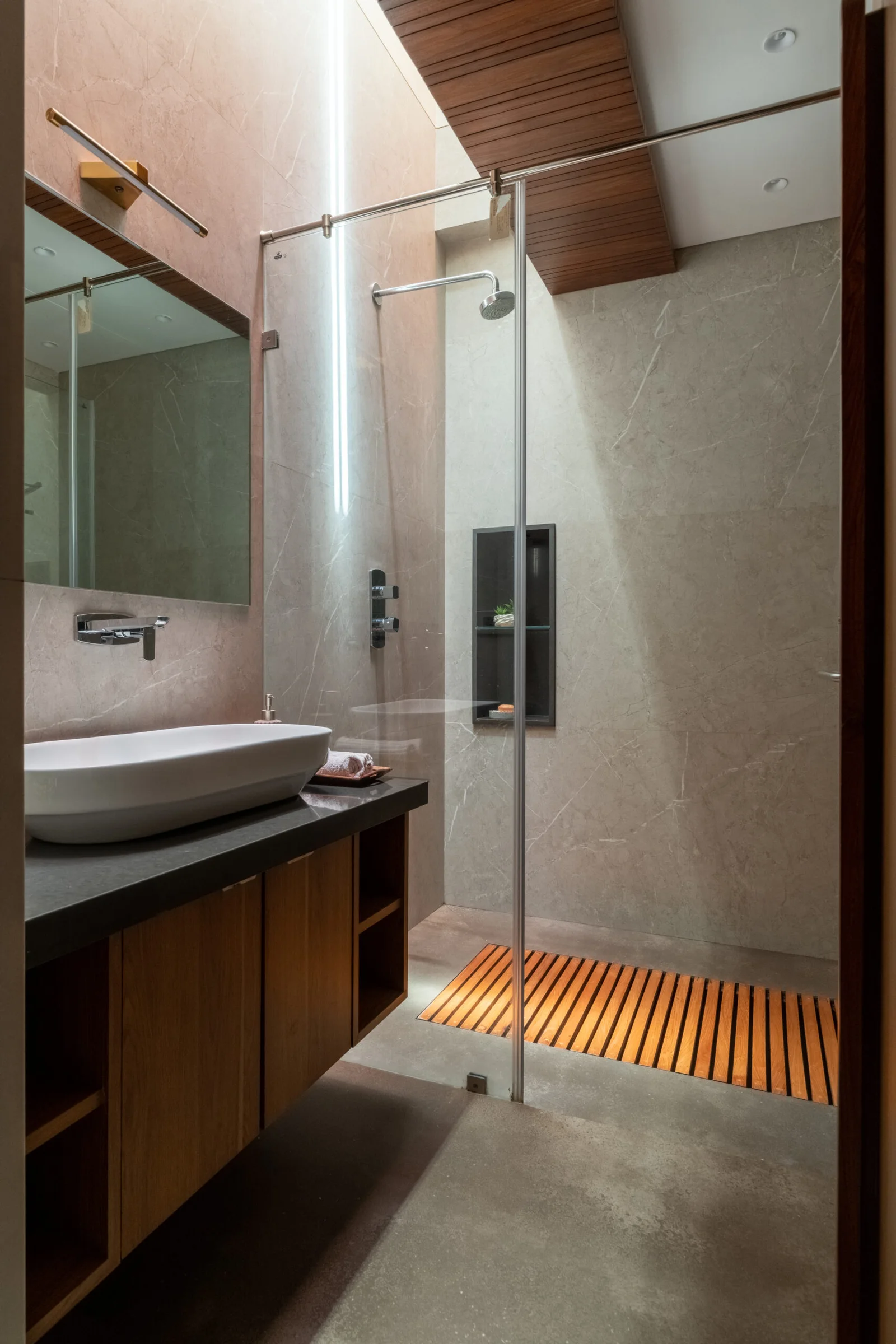
The site’s topography became the primary design tool. Through a sensitive cut-and-fill strategy, the living spaces are gently elevated while the private bedroom zones are nestled into lush sunken courtyards with open-air green shower courts. These level changes dissolve the boundary between architecture and landscape, creating spaces that feel immersed within nature.
A sinuous figure-eight pathway forms the organising spine of the site, encouraging movement that unfolds gradually rather than directing it. As one moves through the landscape, a series of layered ecological experiences emerge—from raised woodland dominated by a single native species to sloping grasslands, flowering meadows, and a circular food garden that supports both people and pollinators. Each layer contributes to a richer and more resilient ecosystem while offering changing colours, textures, and seasonal experiences throughout the year.
Water is conceived as a living ecological system rather than an ornamental feature. A tranquil lily pond overflows into a seasonal monsoon runnel, while a shaded wading pool creates opportunities for barefoot immersion and quiet conversation. Carefully shaped landforms guide rainwater into a percolation well, ensuring that hydrology becomes an integral part of the landscape’s regenerative cycle.
At the narrowest edge of the site, the wilderness briefly gives way to a hidden manicured garden, framing a soft and cinematic view of the expansive golf course beyond. This unexpected reveal offers a quiet moment of contrast before the journey concludes.
Designed as a living system, the landscape continues to evolve with time. It sheds in winter, flowers in spring, thrives during the monsoon, and offers cooling relief through the harsh summer months. As biodiversity strengthens, the site gradually heals, welcoming birds, butterflies, pollinators, and countless other life forms.
Beyond the Greens is not simply a farmhouse landscape—it is an evolving ecosystem that celebrates the beauty of the untamed, allowing both people and nature to reconnect. It is an escape—not away from life, but back into it.
Design in Details
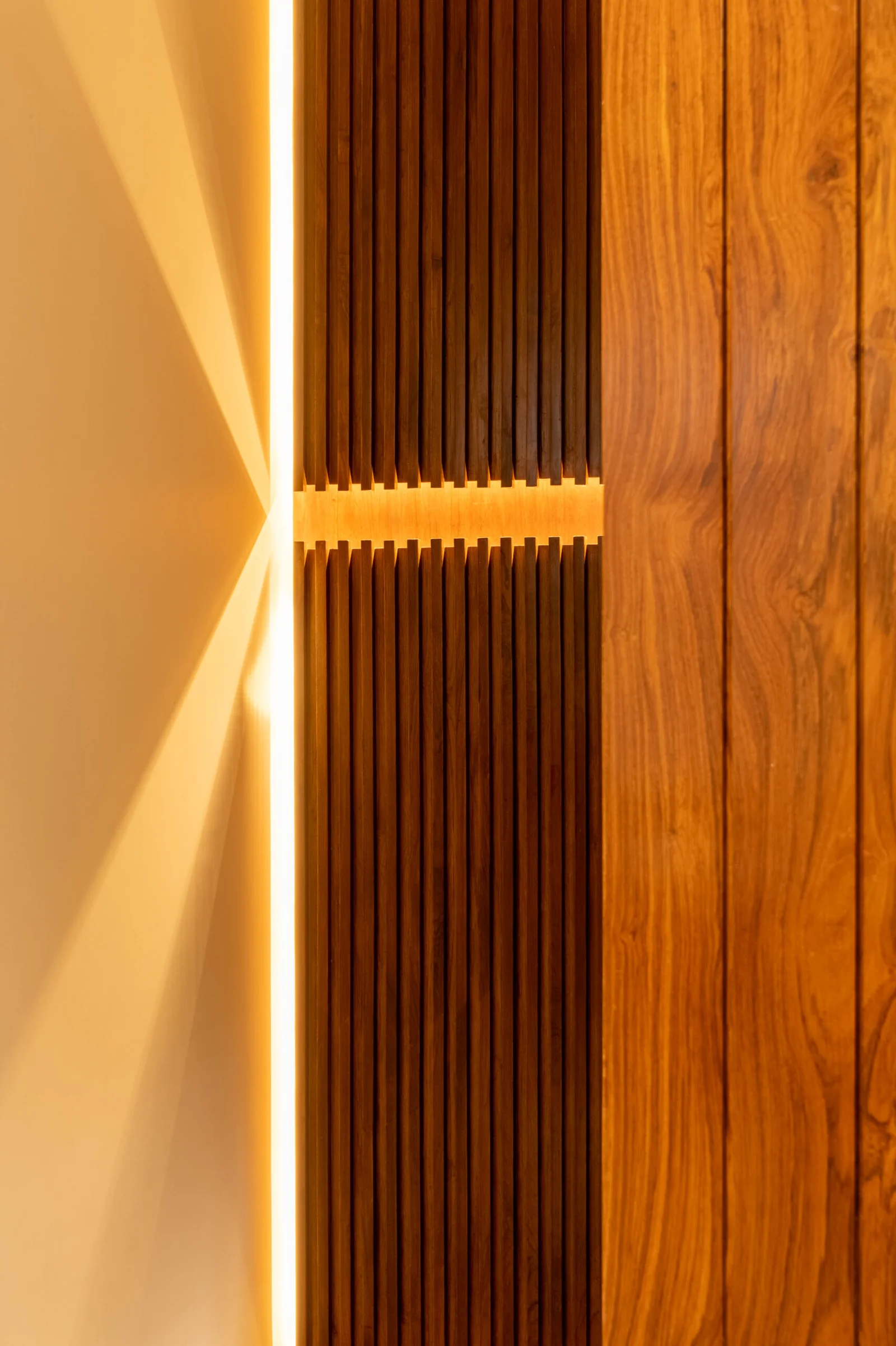
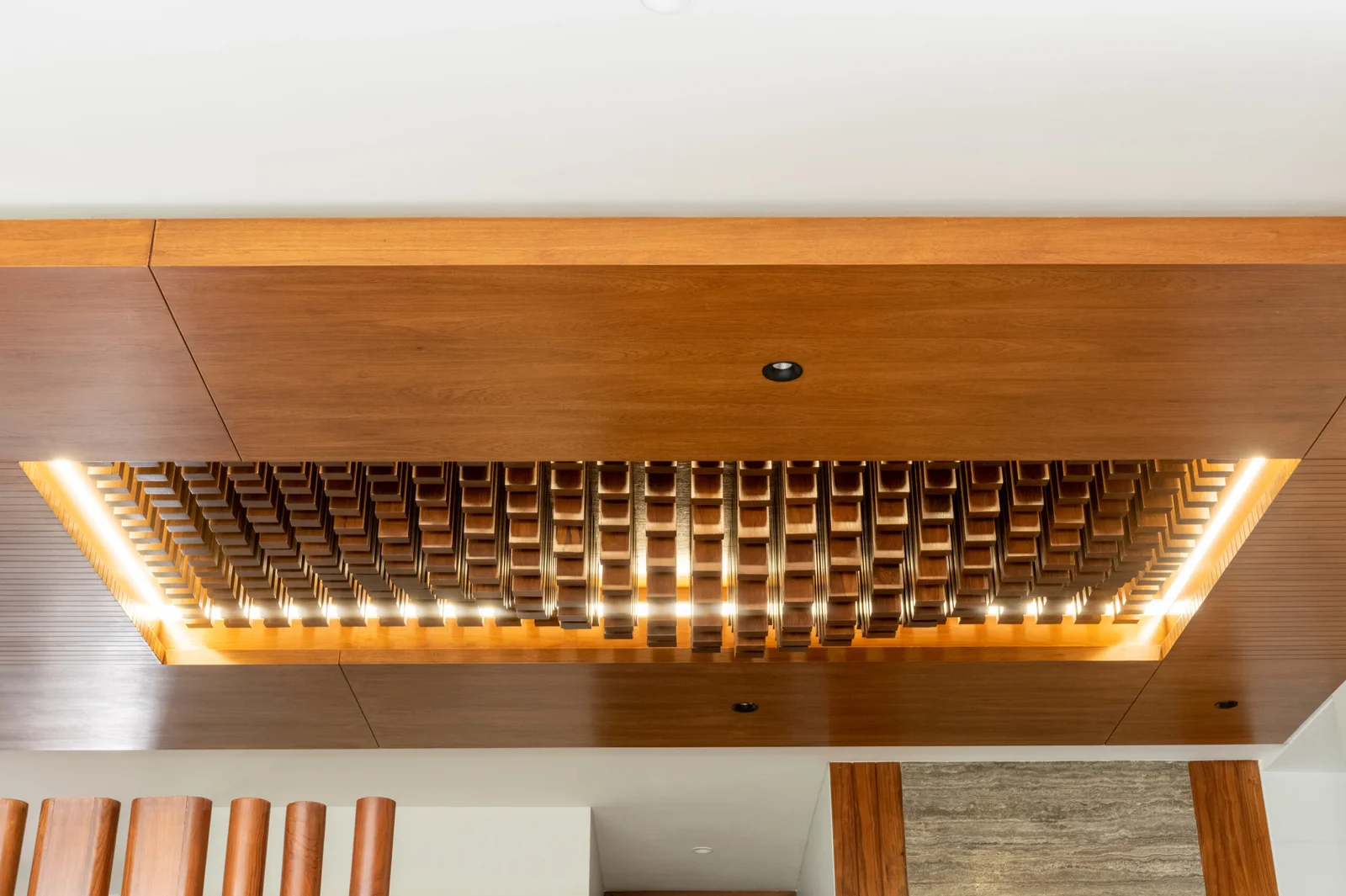
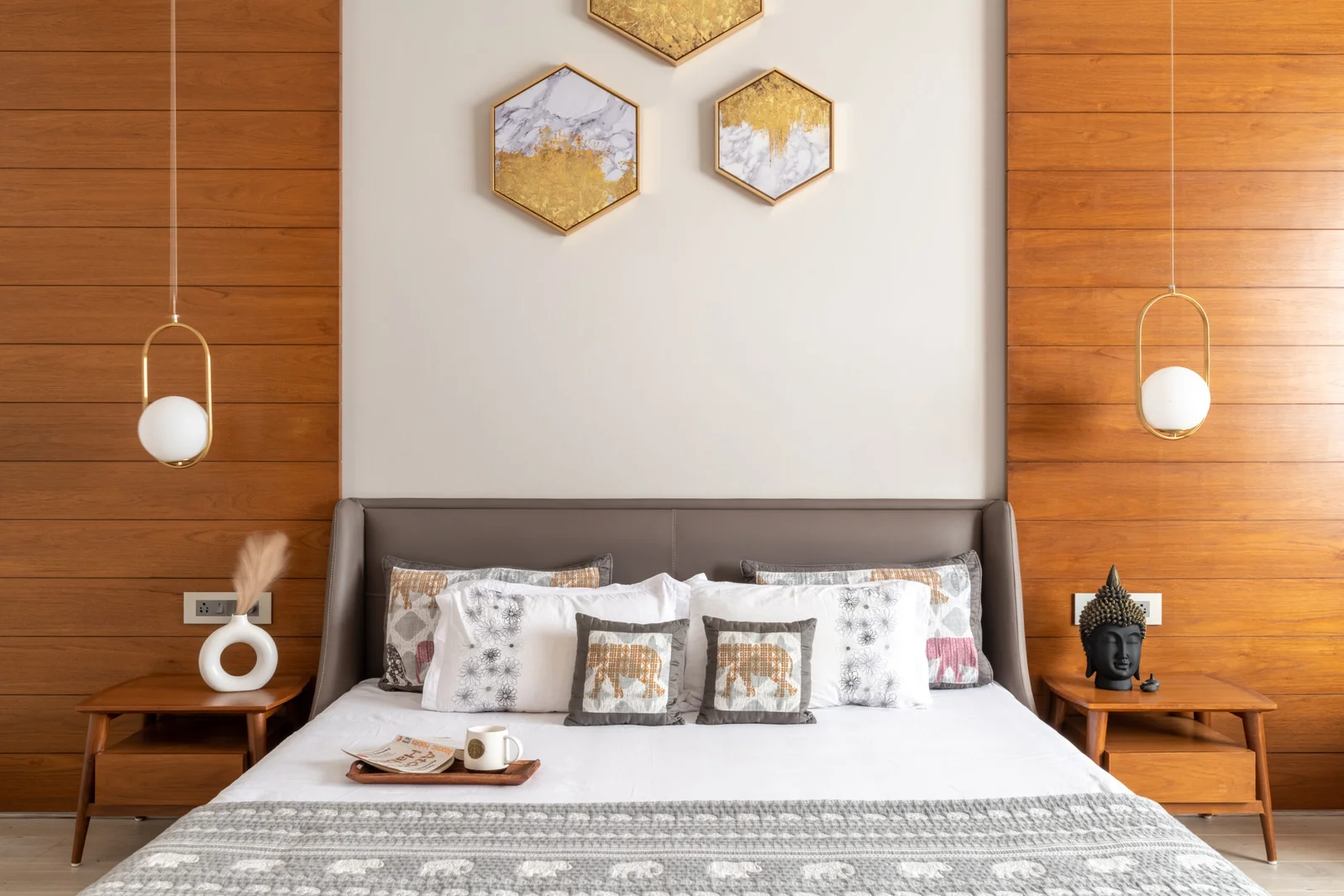
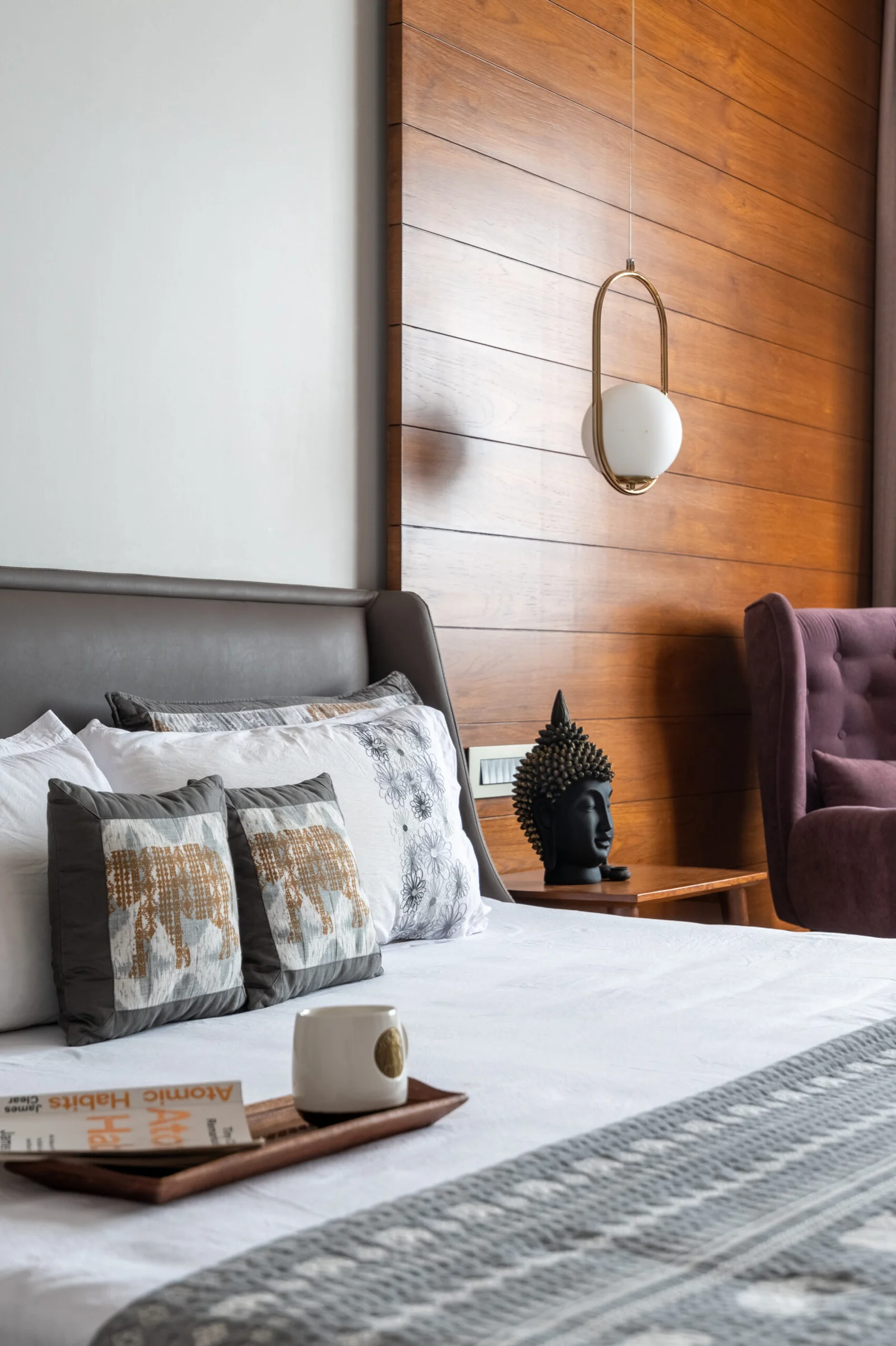
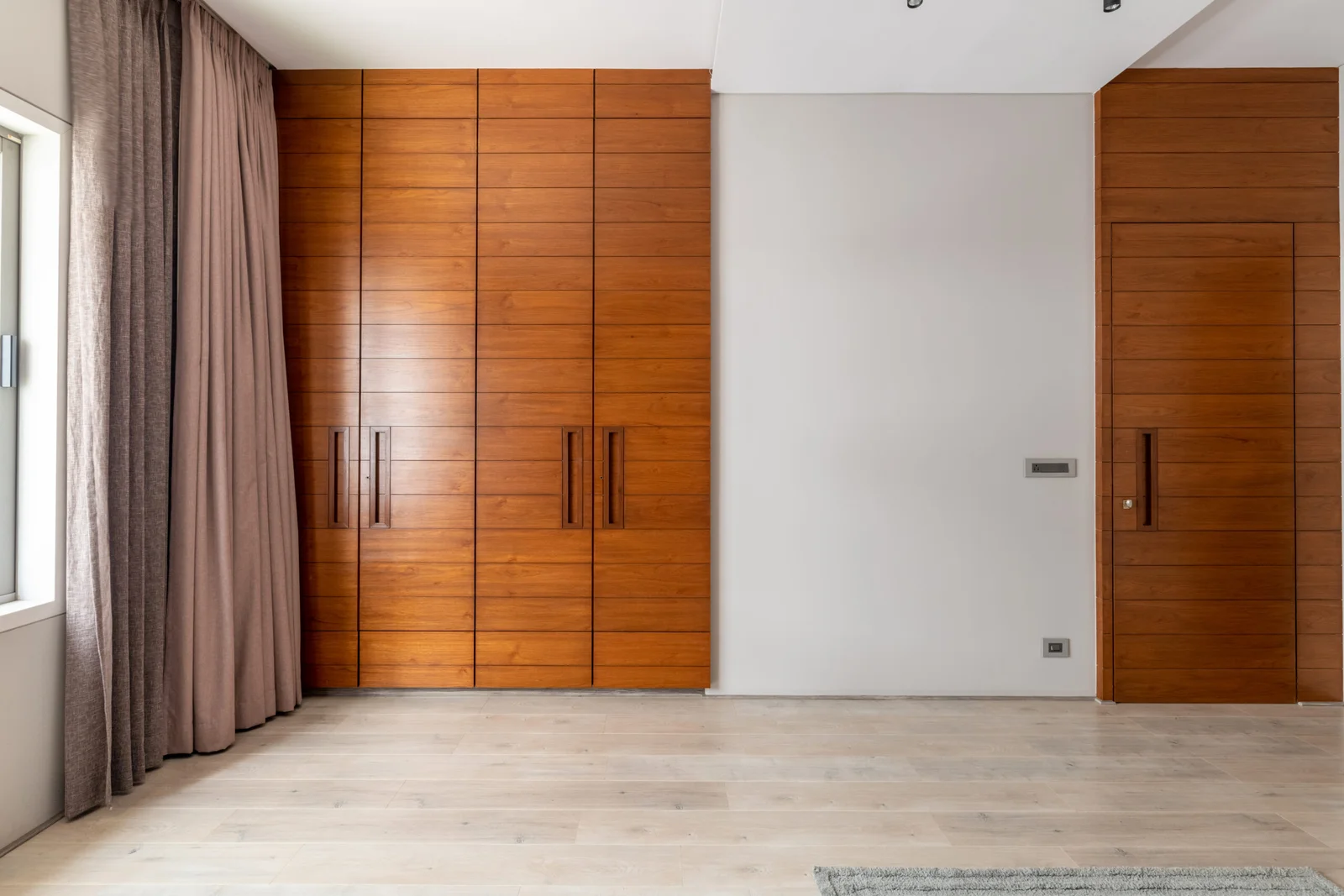
In design, we bring characteristics of the natural world into built spaces, such as water, greenery, and natural light, or elements like wood and stone. Encouraging the use of natural systems and processes in design allows for exposure to nature, and in turn, these design approaches improve health and wellbeing. There are a number of possible benefits, including reduced heart rate variability and pulse rates, decreased blood pressure, and increased activity in our nervous systems, to name a few.
Over time, our connections to the natural world diverged in parallel with technological developments. Advances in the 19th and 20th centuries fundamentally changed how people interact with nature. Sheltered from the elements, we spent more and more time indoors. Today, the majority of people spend almost 80-90% of their time indoors, moving between their homes and workplaces. As interior designers embrace biophilia.